Albania
 Argentina
 Australia
 Austria
 Belgium
 Bosnia and Herzegovina
 Brazil
 Bulgaria
 Canada
 Chile
 Colombia
 Croatia
 Czech Republic
 Denmark
 Estonia
 Finland
 France
 Germany
 Greece
 Hungary
 Ireland
 Italy
 Latvia
 Lithuania
 Luxembourg
 Mexico
 Moldova
 Montenegro
 Netherlands
 New Zealand
 North Macedonia
 Norway
 Philippines
 Poland
 Portugal
 Romania
 Serbia
 Slovakia
 Slovenia
 South Africa
 Spain
 Sweden
 Switzerland
 Turkey
 Ukraine
 United Kingdom
 United States of America



Soundbars
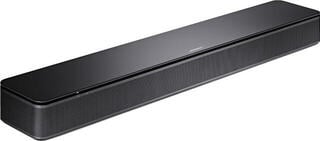
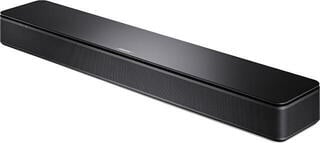
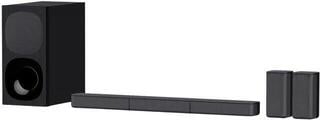
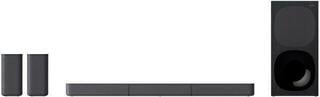
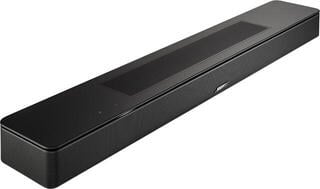
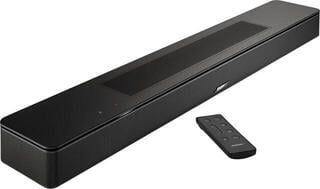
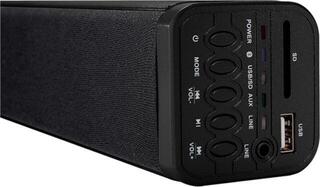
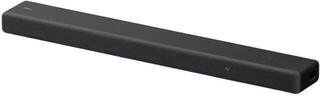
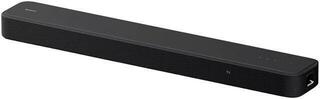
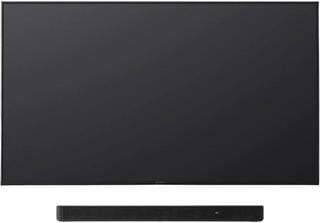
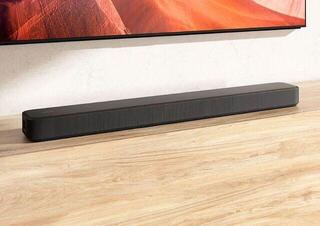
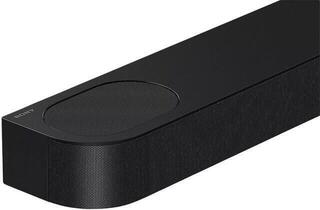
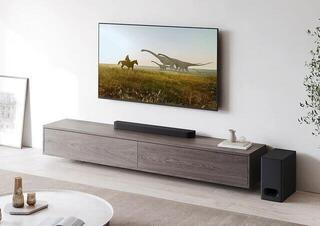
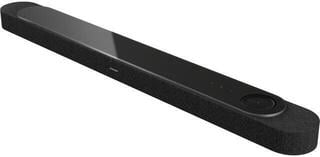
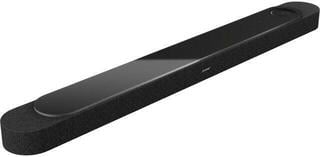
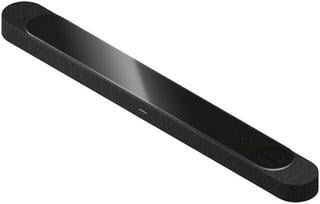
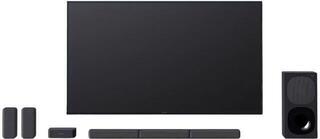
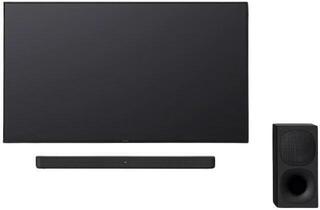
A soundbar improves dialogue clarity and the overall fullness of your TV's sound without having to spread multiple standalone speakers around the room. The elongated unit is typically placed below or in front of the screen, or mounted on the wall. Models differ in the number of channels, how surround sound is processed, their connectors, and whether they include a separate subwoofer. Choosing the right one therefore starts with your TV, room size, and what you watch most often.
How to choose a soundbar for your TV
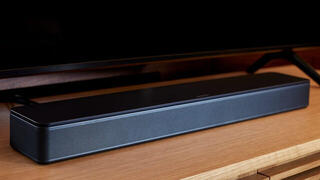
First, measure the space below the screen and check the height of the TV stand. The soundbar shouldn't cover the bottom part of the picture or block the remote control receiver. The width doesn't need to match the TV exactly, but proportionate dimensions look more natural and make placement easier. For wall mounting, check the mounting method and how cables will be routed.
HDMI eARC, optical or Bluetooth
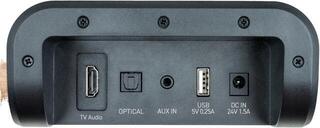
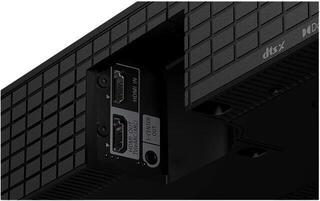
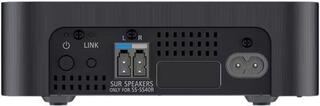
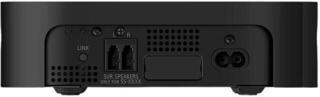
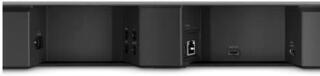
HDMI ARC or eARC is a convenient connection because the TV can send audio and control the volume of a compatible soundbar through a single cable. An optical input is useful for TVs or devices without a suitable HDMI audio port; you'll find the right cable among Hi-Fi optical cables. Bluetooth is mainly for quick music playback from your phone and doesn't automatically replace all the options of a wired TV connection. Before deciding, compare the connectors on both devices.
Channels and surround sound
The channel designation helps distinguish a basic stereo setup from systems with a centre channel, bass component, or height effects. The number alone, however, doesn't tell you how the system will sound in your room. Virtual surround sound relies on signal processing, while a system with dedicated rear speakers actually produces sound from behind you. With a low ceiling, an open-plan room, or an unusual seating arrangement, the result may differ.
Soundbar with or without a subwoofer?
| Solution | Advantage | Things to consider |
|---|---|---|
| Standalone soundbar | Fewer devices and cables | Bass range depends on the design of the specific model |
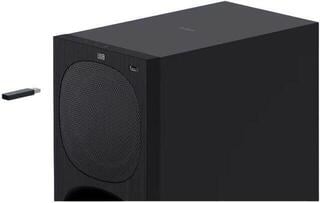
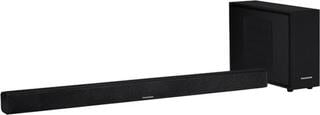
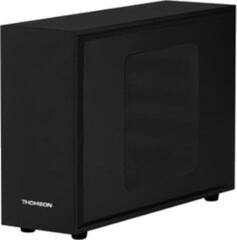
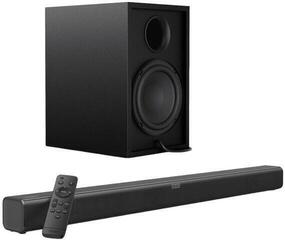
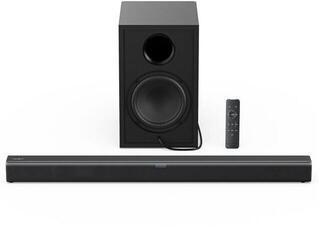
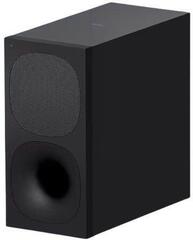
| Soundbar with subwoofer | More impactful film effects and musical bass foundation | The subwoofer needs a suitable spot in the room |
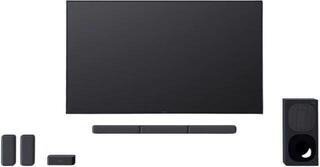
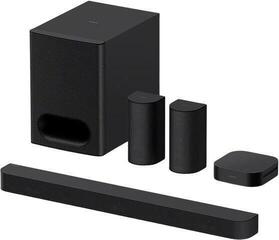
| Soundbar with rear speakers | More convincing sound from behind | Requires more space and power for the additional components |
If you want to handle the bass separately, check system compatibility – not every soundbar allows you to connect any subwoofer. For a comparison of standalone options, you can browse Hi-Fi subwoofers, but with a soundbar, follow the manufacturer's supported configurations and the connectors on the specific model.
What to look for for films, gaming and music
- Films and series: focus on speech intelligibility, the centre channel, and surround sound options.
- Gaming: check the supported HDMI features and how to connect your console, TV, and soundbar.
- Music: a balanced stereo presentation and easy playback from your preferred source are key.
- Night viewing: a night mode or dialogue enhancement can be useful if the model offers them.
Room size and seating position
You don't need the largest system for a small room. What matters more is that the soundbar fits alongside the TV, sounds clear even at low volumes, and directs its sound towards the seating area. In a large, open living room, a compact model may feel less convincing, particularly with deep bass and film effects. Take into account the distance from the screen, the width of your sofa, and whether the room opens into the kitchen or hallway.
If you sit noticeably off-centre, spatial effects and dialogue may not sound the same from every seat. Virtual modes often rely on reflections from walls and the ceiling, so a heavily divided or open room can change the result. With a rear speaker setup, decide before you buy where you'll place them and where they'll be powered from. Without a real spot for them, the benefit of extra channels can easily turn into impractical cabling.
Intelligible dialogue without unnecessarily high volume
If you often turn the volume up during films just to understand the speech, look for a model with a well-implemented centre channel or a dialogue enhancement mode. For this use case, midrange clarity is more valuable than exaggerated bass. A night mode can reduce loud effects and bring them closer in level to the dialogue, which is handy in a flat. Availability and the way settings work vary, so check them in the specs or manual of the soundbar you're considering.
Compatibility with your TV and control system
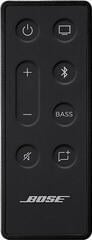
The most convenient setup is one that powers on with the TV and responds to its remote control. For this, the connector, the TV's settings, and the features of both devices all need to work together. HDMI CEC can have different names depending on the manufacturer and doesn't always behave identically with every component. After connecting, check the audio output format and turn off or properly configure the TV's built-in speakers to avoid a delayed echo.
When connecting a console or media player
You can connect the device to the TV and send audio back via ARC/eARC, or route the video signal through the soundbar's input if the model has one. The second approach requires the soundbar to pass through all the video features you use. For a gaming console, check the refresh rate, resolution, and any other required specifications across the entire signal chain, not just a single HDMI port. If you're unsure, the simpler connection via the TV is usually the more straightforward starting point.
Setup after first connection
- Position the soundbar centrally below or above the screen and leave its drivers unobstructed.
- In the TV, select the correct audio output and the format supported by the soundbar.
- Set the subwoofer level so it complements the sound rather than drowning out dialogue.
- If the system offers room calibration, run it from your usual listening position.
- Test with a film, spoken word, and music – one impressive clip won't reveal how it behaves during everyday viewing.
Listen at the volume you use most often. A setting that sounds impressive during a brief demo can become tiring during an evening series. Adjust the bass and spatial modes gradually, and keep the ability to save or quickly switch modes depending on the content.
Self-contained solution or expandable system
Some soundbars are closed systems; others let you add a compatible subwoofer or rear speakers later on. If you're planning to expand, check the exact supported models and the available wireless or wired connection method. It's not a given that devices from the same brand will automatically pair with each other. A closed solution makes buying simpler; an expandable system offers more flexibility but requires more careful planning.
Placement changes the result
Let the soundbar radiate freely towards the listening position and don't enclose it in a tight cabinet unless the manufacturer recommends it. The subwoofer doesn't need to stand directly next to the TV, but its position is worth experimenting with, since corners and walls can amplify the bass. In the home audio range, you'll also find other room solutions if you prefer separate speakers or a multi-component setup.